
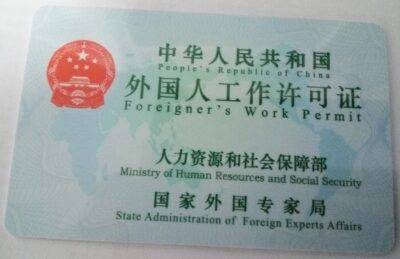
🚫 China Work Permit: 10 Mistakes to Avoid
Last updated: June 2026
Important disclaimer: Rules are implemented locally and can change. Salary thresholds, processing times, and exact document requirements vary by city and district. Always verify with your employer/HR, the official online portal, and your local Foreign Experts Bureau or Human Resources and Social Security Bureau (HRSSB). This is general guidance, not official advice.
Applying for (or renewing) a China work permit in 2026 is more automated — and less forgiving — than before. The digitized Service System for Foreigners Working in China now performs many automatic checks. Small errors in documents, timelines, salary figures, or formatting often trigger instant rejections or requests for extra materials.
This updated guide covers the 10 most common mistakes expats and employers still make in 2026, with practical fixes based on current system behavior, city-level enforcement (especially Beijing and Shanghai), and real reported cases.
Why These Mistakes Matter More in 2026
- The system demands a completely gapless work and education timeline.
- Salary thresholds rose significantly in major cities (auto-block if you fall short).
- Strict name formatting and PDF-only document rules are now enforced.
- Employer compliance (social security, business license address match) is checked more rigorously.
- Age signals and category eligibility are enforced more strictly on certain pathways.
Avoiding these issues saves weeks of delays and protects your legal work status in China.
1. Gaps or Inconsistencies in Your Work & Education Timeline
The biggest new headache in 2026.
The system now requires a continuous chronological record in the “Work and Education Experience” section. Even one missing month between jobs, after graduation, or during unemployment can cause an automatic error or rejection.
Overlaps or contradictory dates across your resume, contract, previous permits, tax records, or passport stamps also raise red flags.
How to avoid it:
- Create a month-by-month timeline covering the last 5–10 years (or since you started working).
- Explicitly list any unemployment or study periods and provide a short explanation if asked.
- Cross-check every date against your passport entry/exit stamps, previous Chinese visas/permits, tax filings, and reference letters.
- Ask your employer to request reference letters that state exact start and end dates (day/month/year).
- If you have gaps, prepare a signed explanation letter from yourself or a previous employer.
2. Salary Below the Local Threshold or Mismatched Across Documents
Major cities (Beijing, Shanghai, and others) significantly raised salary thresholds for Category A and B work permits in early 2026.
The online system now automatically blocks applications that fall short. Your employment contract, payslips, and individual income tax records must all align and meet (or exceed) the local multiplier of the social average wage for your category and city.
How to avoid it:
- Confirm the current threshold for your city and work permit category with HR before signing or renewing.
- Ensure the contract clearly states your gross pre-tax monthly salary (including probation period if applicable).
- Provide consistent proof: contract + recent payslips + tax filings.
- Bonuses or allowances paid later often don’t count toward the threshold — check what the local bureau accepts.
- If your salary is close to the line, discuss an adjustment with your employer well in advance of renewal.
3. Name Formatting Errors in the Online System
The portal is extremely strict about how your name is entered.
It generally accepts only the 26 English letters plus space, hyphen, apostrophe, and period.
Accented characters (é, ü, etc.), numbers, Chinese characters, or other special symbols are usually rejected.
How to avoid it:
- Enter your name exactly as it appears in your passport (or the machine-readable zone).
- Remove any accents or special characters if the system complains.
- Double-check the name on every uploaded document and in the portal fields.
- If your passport has a long or compound name, confirm the exact format your employer should use when creating the application.
4. Uploading Documents in the Wrong File Format
Since the full digitization push, almost all supporting documents (except the passport scan in many cases) must be uploaded as PDF. JPEG, PNG, Word (.doc/.docx), or other formats are frequently rejected by the system.
How to avoid it:
- Convert every document to clean, searchable PDF before sending to your employer.
- Keep original high-resolution scans.
- Name files clearly (e.g., “Passport_Surname_Givenname.pdf”, “Degree_Authenticated.pdf”).
- Ask HR to confirm the current accepted formats for your specific submission.
5. Business License Problems (Validity or Address Mismatch)
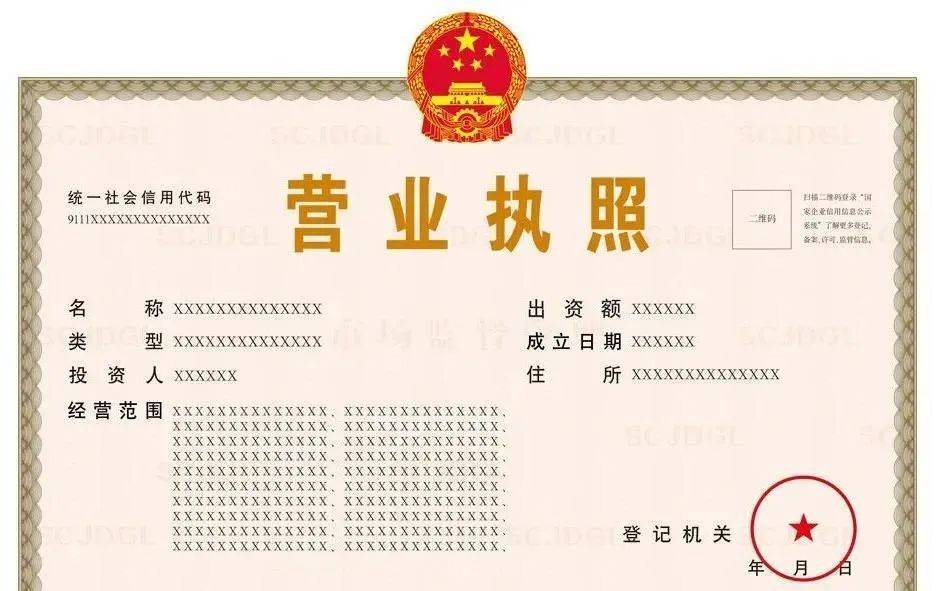
If your employer’s business license is close to expiry or the registered address doesn’t exactly match the actual office location where you work, the application can be delayed or rejected.
The system and reviewers cross-check this information.
How to avoid it:
- Ask HR for a copy of the current business license (with English translation if needed).
- Confirm the registered address matches your actual workplace.
- If the license is expiring soon, request a renewed version before submission.
- For renewals or changes, ensure any address updates have already been processed.
6. Failing to Update Personal or Company Information on Time
Changes to your passport, address, job title, salary, or the company’s details must be reported promptly.
Many localities still reference a 10-calendar-day window for certain changes. Delays can complicate renewals or trigger compliance issues.
How to avoid it:
- Notify your HR/employer immediately if your passport is renewed, you move, or any key details change.
- Employer usually submits the change application through the online system.
- Keep copies of all change confirmations.
- For job changes, follow the proper cancellation + new application process (timing is critical).
7. Using the Wrong Document Headers or Forms for Your District
Some districts (especially in Shanghai, Beijing, Guangzhou, etc.) require specific official headers or exact form versions on certain documents.
Using the wrong one (e.g., generic instead of “浦东新区海外人才局” for Pudong) causes rejection or extra rounds of corrections.
How to avoid it:
- Ask your employer/HR which exact header or form version is required for your district.
- Common example in Shanghai Pudong: Use “浦东新区海外人才局”.
- When in doubt, have HR check with the local Foreign Experts Bureau before finalizing documents.
8. Incorrect Company Seal or Mismatched Signatures
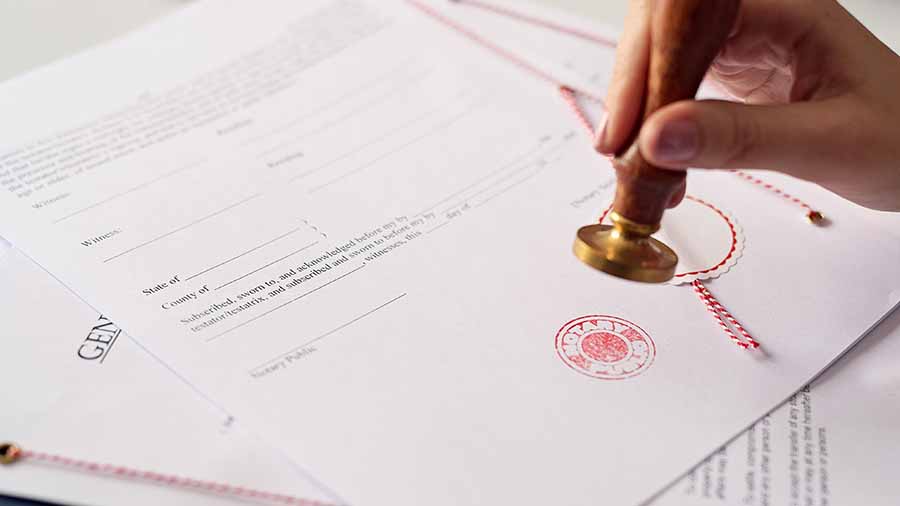
Documents need the proper official company seal (usually the red round 公章).
Using a contract seal, finance seal, or no seal at all is a frequent cause of rejection. Signatures must also match your passport exactly on every page that requires one.
How to avoid it:
- Confirm with HR that the correct official company seal will be used on all documents.
- Practice signing exactly as it appears in your passport.
- Check every page of the contract and application form for consistent signatures + seals.
- Wet-ink signatures are still often required alongside digital versions.
9. Incomplete or Non-Compliant Health and Background Documents
Medical examinations must be done at approved facilities, and the criminal record / non-criminal certificate must be recent (often within 6 months at submission in practice) and properly authenticated/apostilled if required from your home country.
How to avoid it:
- Use only government-approved medical centers for the work permit medical exam.
- Get your criminal record check as close as possible to submission (check current validity rules).
- Ensure degree authentication (if needed) and any other legalizations are complete.
- Keep originals and certified copies organized.
10. Misunderstanding Your Eligibility Category or Broader Requirements
Many rejections happen because applicants (or employers) choose the wrong pathway (salary vs. points vs. other credentials) or don’t meet hidden requirements like job-title alignment with experience/education, age signals on certain categories, or clean immigration history (no previous overstays).
How to avoid it:
- Work with HR to confirm the correct category and qualification pathway before starting the application.
- Ensure your job title reasonably matches your education and work history.
- Be transparent about any previous China visa issues.
- For renewals at or near age 60, discuss implications early with your employer.
Final Tips for a Smooth 2026 Work Permit Process
- Start early — ideally 2–3 months before expiry for renewals.
- Your employer submits most of the application. You are responsible for providing accurate, complete, and consistent documents.
- Keep digital and physical copies of everything.
- After approval, complete residence permit registration and address registration with the local police promptly.
- Policies and local practices evolve quickly. The best source is always the official online system + direct confirmation from your local authority.
If your situation involves gaps in employment, a salary close to the threshold, first-time application, teaching position, or previous visa issues, consider getting a second opinion from an experienced visa service or immigration consultant in addition to working with your HR team.
Related reading
- China Z Visa Guide
- China Visa Policy Updates February 2026
- Permanent Residence (Green Card) pathways for foreign professionals
FAQ: China Work Permit 2026 – Common Questions Answered
City-specific multipliers of the local average wage. Beijing and Shanghai raised thresholds in 2026 with automatic system enforcement. Confirm exact figures with HR or the portal.
The system is strict. List and briefly explain every period. One missing month can trigger rejection.
Yes in most cases. Non-PDF files are frequently rejected.
Very strict. Only 26 English letters + space, hyphen, apostrophe, period. Remove accents.
Typically 5–15 working days once complete, but errors add weeks. Start early.
You receive reasons. Correct documents and resubmit. Repeated issues may need specialist help.
Yes, usually within 10 calendar days. HR submits via the system.
Yes, at approved facilities. Criminal record should be recent and properly authenticated.
They submit, but you must provide accurate, consistent documents and signatures.
Stricter scrutiny on some categories. Discuss with HR early.