
The Chinese Symbol of Hope and Prosperity Explained
Symbols are powerful carriers of meaning. In Chinese culture, symbols are not merely decorative—they embody centuries of wisdom, philosophy, and collective aspirations.
Among the most revered are those representing hope and prosperity, ideals deeply rooted in Confucian, Taoist, and Buddhist traditions.
This article explores the origins, meanings, and modern relevance of the Chinese symbol of hope and prosperity, weaving together history, art, and cultural practice.
The Essence of Hope and Prosperity in Chinese Culture
Hope and prosperity are intertwined concepts in Chinese thought. Hope represents renewal, resilience, and the promise of a better tomorrow.
Prosperity embodies abundance, success, and harmony in family and society.
Together, they form a guiding principle for life.
- Hope (希望, xīwàng): Often symbolized by the rising sun, bamboo, or the lotus flower.
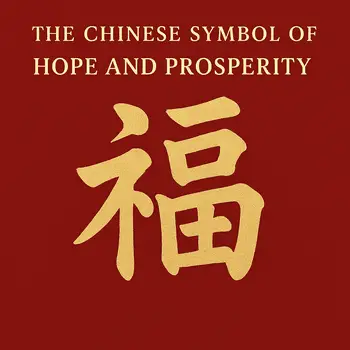
- Prosperity (繁荣, fánróng): Represented by the character 福 (fú), meaning “blessing” or “good fortune.”
The Symbol 福 (Fú): Prosperity and Blessings
The character 福 is one of the most recognized Chinese symbols worldwide.
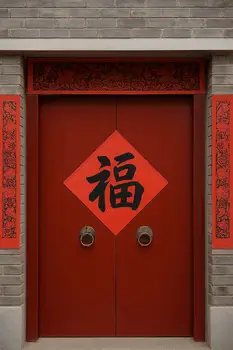
It is commonly displayed during Lunar New Year, often hung upside down to signify that “fortune has arrived” (福到, fú dào).
Key Attributes of 福
- Represents wealth, happiness, and longevity.
- Associated with family unity and social harmony.
- Used in calligraphy, embroidery, and architectural design.
Hope in Chinese Symbolism
While prosperity is often linked to 福, hope is expressed through natural imagery and philosophical metaphors.
Common Symbols of Hope
- Lotus (莲, lián): Rising unstained from muddy waters, symbolizing purity and resilience.
- Bamboo (竹, zhú): Flexible yet strong, representing endurance and renewal.
- Sunrise (日出, rìchū): A metaphor for new beginnings.
Historical Roots of the Symbol
Chinese symbols of hope and prosperity trace back to ancient dynasties:
- Han Dynasty (206 BCE–220 CE): Early inscriptions of 福 in bronze vessels.
- Tang Dynasty (618–907 CE): Flourishing of Buddhist symbolism, with lotus motifs.
- Ming and Qing Dynasties (1368–1912 CE): Popularization of 福 in household decorations.
The Symbol in Festivals and Traditions
Lunar New Year
- 福 is prominently displayed on doors and windows.
- Red paper cuttings symbolize prosperity and ward off evil.
Mid-Autumn Festival
- Lotus imagery represents reunion and hope for family togetherness.
Modern Interpretations
Today, the symbol of hope and prosperity transcends traditional contexts:
- Fashion: Jewelry and clothing designs incorporate 福 and lotus motifs.
- Architecture: Modern buildings integrate symbolic patterns for good fortune.
- Digital Culture: Emojis and online greetings use 福 during festive seasons.
Comparative Table: Symbols of Hope and Prosperity
| Symbol | Meaning |
|---|---|
| 福 (Fú) | Prosperity, blessings, fortune |
| Lotus | Hope, purity, resilience |
| Bamboo | Renewal, endurance, strength |
| Sunrise | New beginnings, optimism |
Sources and External Links
| Source | Link |
|---|---|
| What Does “ 福 ” Mean in Chinese? | https://www.hanhai-language.com.sg/blog/chinese-mean |
| Importance of the Lotus Flower in Chinese Culture | Importance of the Lotus Flower in Chinese Culture |
| Lunar New Year | Traditions, Legend, & Facts | https://www.britannica.com/topic/Lunar-New-Year |
Conclusion
The Chinese symbol of hope and prosperity is more than a character or motif—it is a living tradition.
From the 福 character to lotus blossoms and bamboo groves, these symbols remind us of humanity’s enduring desire for renewal and abundance.
They bridge past and present, offering guidance in times of uncertainty and celebration in moments of joy.