
❌ China Visa Rejection: The 8 Most Common Reasons
Last updated: June 2026
Getting a China visa rejected can be frustrating, especially after investing time and money into your application and travel plans. The good news? Most rejections are avoidable with better preparation.
China’s visa process has evolved significantly. Since late 2025, most applicants go through a new online preliminary review stage (via the COVA system) before submitting physical documents at a visa center.
This two-step process means more scrutiny on uploaded files — and rejections (or requests for revision) can happen earlier.
Many travelers also qualify for visa-free entry (30 days for tourism, business, family visits, exchanges, or transit).
This policy has been extended through December 31, 2026 for citizens of around 50 countries. If you’re eligible, you may not need a visa at all for short trips — though carrying supporting documents is still wise in case of questions at the border.
Below are the 8 most common reasons China visa applications get rejected in 2026, along with practical tips to avoid them.
2026 Important Update: The New Online Visa Application Process (COVA)
Before visiting a Chinese Visa Application Service Center (CVASC) or VFS, you must:
- Create an account and complete the application form online.
- Upload electronic copies of all supporting documents.
- Submit for online preliminary review (usually takes 3–5 working days).
- If approved at this stage, you’ll receive an email. Print the confirmation and go to the visa center for physical document submission, payment, and biometrics.
Key point: Online pre-approval does not guarantee final visa approval. The full review happens when you submit at the center. Many 2026 rejections occur due to issues caught during the online upload/review phase.
Always double-check the exact process for your jurisdiction on visaforchina.cn or your local Chinese embassy/consulate website, as minor details can vary.
The 8 Most Common Reasons for China Visa Rejection
1. Incomplete or Incorrect Application Form
This remains one of the top reasons for rejection, especially with the new online system.
Missing fields, typos, inconsistent dates, or uploading unclear/low-quality scans can trigger an automatic return or rejection.
2026 Tip: Fill the online form carefully in English or Chinese. Double-check every section before submitting for online review. Small mistakes in names, dates, or passport numbers are common flags.
2. Insufficient or Problematic Supporting Documents
Failing to provide required documents — or submitting incomplete, expired, or low-quality ones — leads to many refusals.
2026 specifics:
- Photo requirements are strict and frequently cause issues: 33mm × 48mm, color, taken within the last 6 months, white or off-white background, specific head proportions (head height 28–33mm, width 15–22mm). Digital uploads must meet exact pixel and file size rules (typically JPEG 40–120KB).
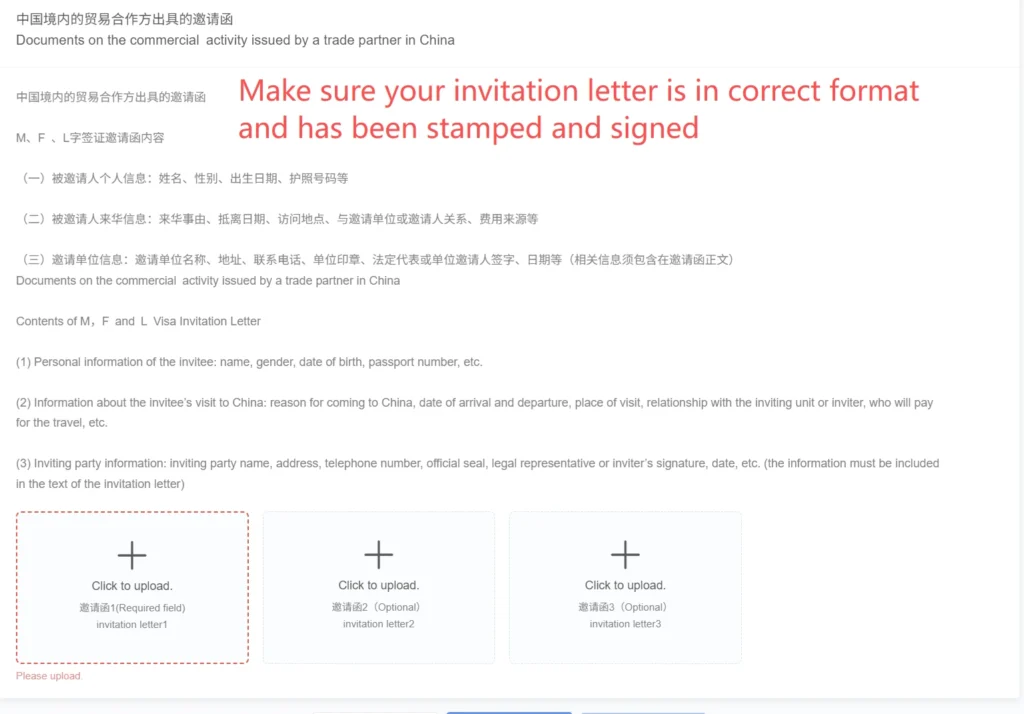
- Invitation letters (especially for M/business visas) must be verifiable and properly formatted with company stamp, signature, and accurate details. Weak or questionable invites are heavily scrutinized.
- Other common documents: flight/hotel bookings, detailed itinerary, employment letter, or proof of ties to home country.
Tip: Use high-quality scans or clear photos. For invitation letters, ensure they are authentic and match your stated purpose.
3. Failure to Meet Eligibility Criteria
Applicants must demonstrate a valid purpose, sufficient funds, and (in most cases) a clean record. Certain criminal convictions, especially serious ones, can lead to refusal.
Minor past issues don’t always disqualify you for short tourist visits, but transparency and strong supporting evidence help. Always review the specific criteria for your visa type (L, M, Z, etc.).
4. Previous Violations of Chinese Visa Regulations
Overstaying, working without authorization, or other past violations are taken seriously. A history of non-compliance significantly reduces approval chances.

Tip: If you have a previous overstay or issue, address it transparently in your new application with a clear explanation and evidence that the situation has been resolved. Strong new ties and purpose can help offset this.
5. Inadequate Explanation of Travel Plans
Vague or unrealistic itineraries raise red flags. Officers want to see you have a clear, legitimate reason for visiting and understand your plans.

2026 Tip: Provide a detailed day-by-day itinerary, confirmed bookings (or strong proof of arrangements), and explain how the trip fits your purpose. Even for visa-free entry, having this ready is useful.
6. Lack of Financial Stability
You must show you can support yourself during your stay without becoming a burden.

Inconsistent bank balances, sudden large deposits, or insufficient funds are common issues.
2026 Tip: Provide recent bank statements (usually 3–6 months) showing stable or consistent funds. Some applicants report better outcomes with steady balances rather than just meeting a minimum threshold.
7. Inconsistent or Contradictory Information
Discrepancies between your form, documents, and supporting evidence (or between online uploads and physical submission) create doubt about your credibility.
This is caught more easily now during the online review stage. Common examples: mismatched travel dates, conflicting job information, or different addresses.
Tip: Ensure every piece of information is consistent across your entire application package.
8. Lack of Genuine Purpose of Travel
This is one of the most significant reasons for rejection. If officers suspect your real intent doesn’t match the visa category (or that you might overstay or work illegally), your application will likely be refused.
Strong evidence of genuine purpose — combined with clear ties to your home country — is essential.
Frequently Asked Questions (FAQs)
Yes. Review the exact reason provided (or inferred), fix the issues, and strengthen weak areas (especially purpose, financial proof, or invitation letters). With the new online process, you’ll go through the preliminary review again. Many people succeed on their second or third try with better documentation.
Expect longer timelines than before due to the online review stage. Total time is often 7–15+ working days (sometimes longer during peak periods). Rush options may be available at some centers.
Contact the relevant visa center or check your application status immediately. In many cases, you may need to withdraw and submit a corrected application.
It depends on the visa type and your situation. For business (M) visas it’s usually required and must be verifiable. For tourist (L) visas it’s often helpful but not always mandatory. Strong alternative proof of purpose can sometimes substitute.
Be transparent. Explain the circumstances and show that you now have strong reasons to comply with the rules. A clean recent travel record and solid ties elsewhere help.
Reputable services can help with complex cases or when you’re unsure about documents. Choose carefully — many rejections still happen due to poor-quality assistance. For straightforward applications, many people succeed doing it themselves with careful preparation.
China’s visa system does not support “X” gender markers. The online application form is designed for binary male or female entries only. Chinese authorities do not care about your passport-issuing country’s rules on this and do not do “inclusive” for foreign documents.
What actually happens in practice:
– Online stage: Form rejects or flags the mismatch.
– Visa center: Extra scrutiny, demands for explanation, or denial.
– Border control: Risk of entry refusal even if you somehow get the visa.
Anecdotes of success are rare, inconsistent, and not worth betting your trip on. Plenty of reports of wasted time and money.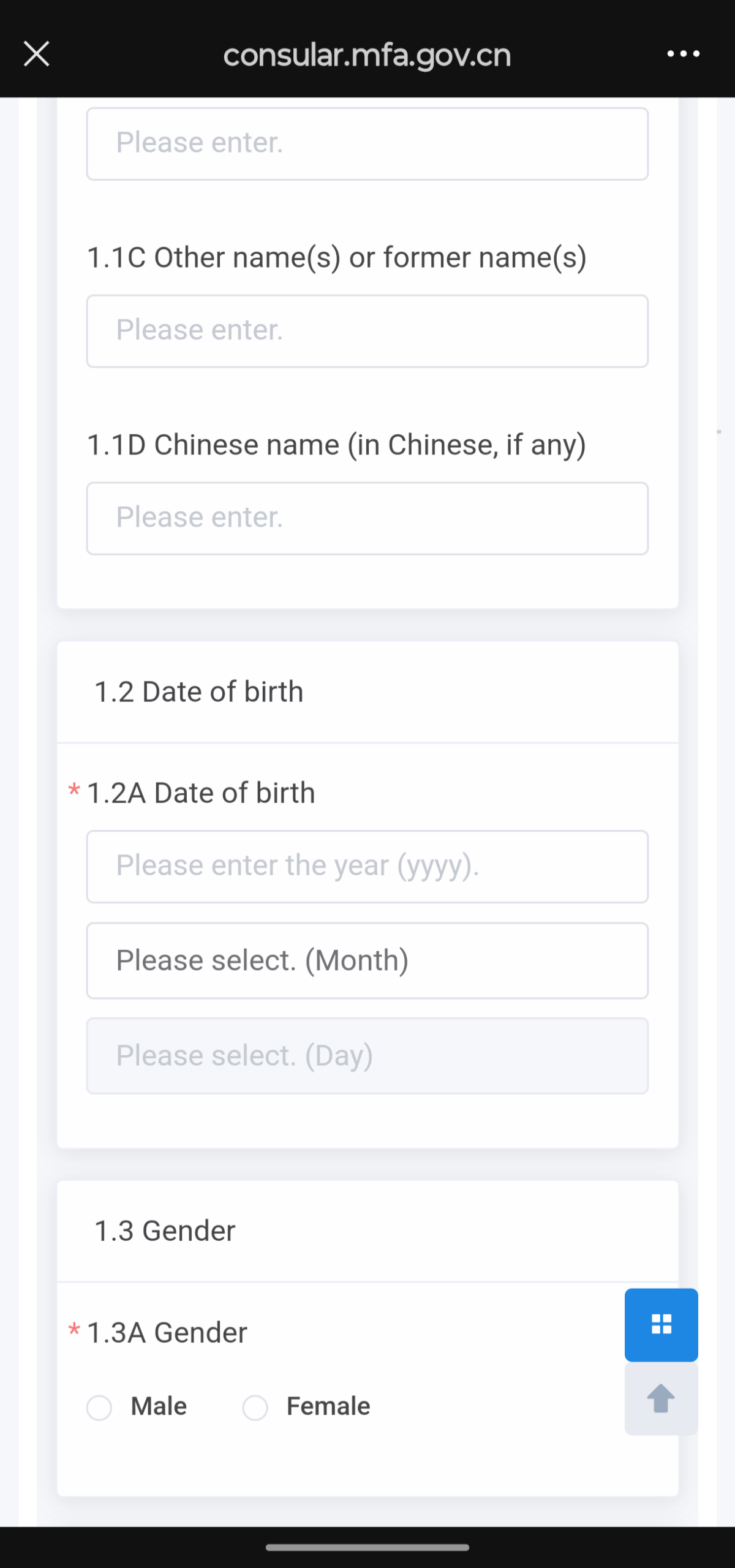
Final Tips for Success in 2026
- Start early — the new online stage adds time.
- Use the official COVA system and follow instructions precisely.
- Prioritize verifiable, consistent, high-quality documents.
- For visa-free eligible travelers: Confirm your nationality qualifies and prepare basic supporting evidence anyway.
- When in doubt, check the latest guidance on visaforchina.cn or contact your local Chinese embassy/consulate directly.
A rejected visa is not the end of your China plans. Most issues are fixable with clearer documentation and stronger evidence of genuine intent. With proper preparation, you can significantly improve your chances of approval.