🧠 Global Talent Competition & China Permanent Residence
In today’s knowledge‐driven economy, leading nations vie for top researchers, engineers, and entrepreneurs to spur innovation and economic growth.
China has transitioned from a talent importer to a fierce competitor, deploying policy reforms, financial incentives, and world-class innovation hubs to attract—and retain—global talent.
1. Policy Innovations Driving Talent Inflow
Visa Reforms: Faster, Streamlined Entry
- “R Visa” for high-skilled professionals slashed approval times from 90 to 15 working days since 2020, dramatically lowering the barrier for international recruits.
- “Talent Green Card” program granted 48,700 permanent residencies to foreign experts in 2022—a 215% jump from pre-pandemic numbers—underscoring China’s commitment to long-term talent retention.
Institutional Overhauls
- 14th Five-Year Plan (2021–2025) introduced a 15% flat income‐tax rate for approved international talent, compared to the standard top rate of 45%.
- Dual-career support programs help spouses find employment, while government subsidies fund international schools in 23 tech hubs, easing relocation concerns.
2. Targeted Recruitment Programs
| Program | Launch & Scope | Highlights |
|---|---|---|
| Thousand Talents Plan 3.0 | 2018–2023 | Attracted 4,137 leading researchers |
| Pearl River Talent Program | Guangdong Province | 62% of recruits hold patents in AI/quantum |
| Yangtze River Scholar Program | Nationwide | Engaged 39 Nobel laureates as consultants |
These flagship initiatives identify “world-class” experts in sectors from biotechnology to semiconductors, offering competitive packages, research funding, and lab infrastructure to anchor them in China’s innovation ecosystem.
3. Economic Leverage in Talent Acquisition
China’s rapid industrial upgrade has been underpinned by multi-billion-dollar funds and generous compensation benchmarks designed to rival Silicon Valley.
- Semiconductor Ecosystem: A dedicated $47 billion national fund has generated 28,000 high-skilled roles in chip design and manufacturing.
- AI & Digital Economy Salaries: In 2023, top AI specialists in Beijing received an average package of RMB 412,000 base salary plus RMB 200,000 housing allowance. Shenzhen’s tech hubs offered around USD 388,000 plus equity stakes—edging out Silicon Valley’s average of USD 365,000.
By aligning pay scales with global norms and coupling them with equity in state-backed funds, China ensures that its talent pool remains competitive on total‐compensation metrics.
4. Building Innovation Ecosystems
Research Collaboration & Publications
China’s Ministry of Education set a goal for 2025: 37% of Nature Index articles to feature China‐affiliated international teams, reshaping the geography of global innovation and signaling the success of its collaborative approach.
Local Talent Competitions
Municipalities launch high-profile contests to spotlight emerging innovators and entrepreneurs.
For example, the 5th Shanghai Global Talents Innovation & Entrepreneurship Competition invites worldwide entrants across tracks such as AI, biotech, and green technologies.
Winners gain roadshow opportunities, introductions to venture capital firms, and priority investment services.
5. Comparing China with Other Major Talent Destinations
While the U.S., UK, Canada, and Australia maintain established talent-attraction pathways (e.g., EB-1 visas, Global Talent visas, Express Entry), China’s integrated strategy distinguishes itself by:
- Speed & Scale: Rapid processing of visas and large-scale investment funds.
- Local Ecosystem Integration: Direct subsidies for R&D, housing, and schools within designated tech hubs.
- Targeted Clusters: Province-level programs (like Pearl River) that concentrate resources in AI, quantum, biotech, and semiconductors.
- Cross-Disciplinary Pull: Combining entrepreneurial contests with research grants to attract both start-up founders and academic leaders.
6. Emerging Challenges & Strategic Responses
- Geopolitical Headwinds: Heightened global scrutiny over technology transfer has led China to reinforce compliance training and transparency for foreign hires.
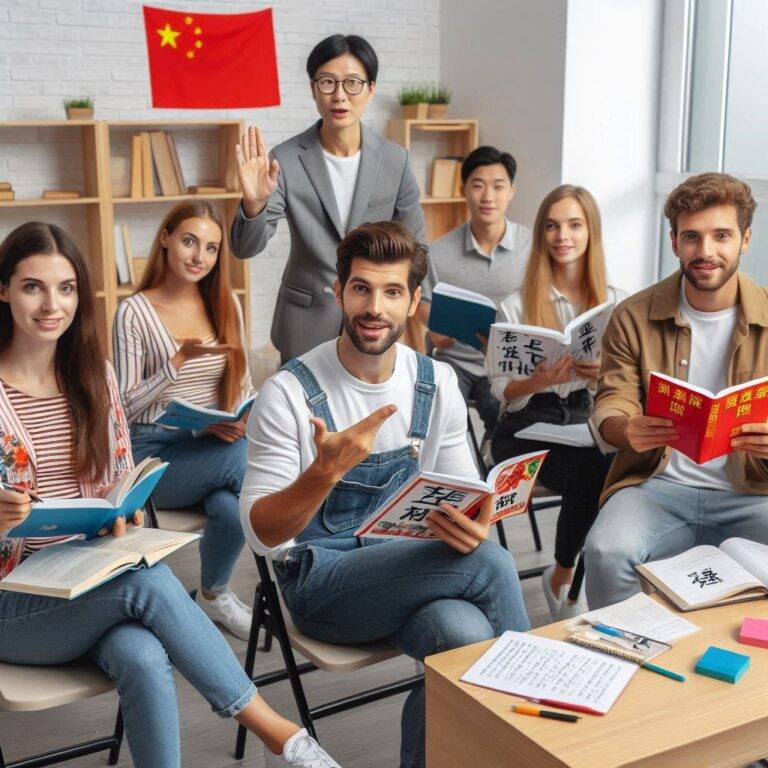
- Cultural Adaptation: English-taught programs, expat mentoring networks, and accelerated Mandarin-immersion classes have been rolled out to smooth cultural integration.
- Retention Strategies: Beyond financial incentives, China is expanding pathways to permanent residency and local leadership roles to reduce attrition of top talent.
7. Looking Ahead: Next-Gen Focus & Global Partnerships
China’s talent strategy is pivoting toward frontier fields like quantum computing, synthetic biology, and carbon-neutral technologies.
Planned “talent corridors” with leading universities in Europe, North America, and Asia aim to foster two-way exchanges, positioning China not just as a destination but also a springboard for global career trajectories.
Conclusion
China’s holistic approach—blending policy reform, financial muscle, ecosystem building, and international collaboration—has elevated it into the front ranks of global talent competition.
As other countries refine their own strategies, China’s model will continue to evolve, reshaping where and how breakthrough innovations emerge.